

How to Stop Your Gas Heater Costing a Fortune This Winter
If your gas bill jumps every winter and you’re not entirely sure why, you’re far from alone. Melbourne homes rely heavily on gas heating through the colder months, and a heater that’s working harder than it needs to can quietly add hundreds of dollars to a single quarterly bill. The good news is that most of the biggest cost drivers are things you can actually do something about.
Here’s what tends to make the biggest difference, based on what our plumbers see in Melbourne homes every winter.
Get your heater serviced before the peak of winter, not during it
A gas heater that hasn’t been serviced in a couple of years often has to work harder to produce the same amount of heat — dirty burners, a clogged pilot injector, or a dusty heat exchanger all reduce efficiency. Beyond the cost impact, an unserviced heater is also more likely to develop a fault at the worst possible time, or in rarer cases, pose a carbon monoxide risk.
A proper service (not just a quick look-over) should include cleaning the burners, checking the heat exchanger for cracks, testing carbon monoxide levels, and confirming the fan motor and thermostat are working correctly. If it’s been more than two years since your last service, that’s usually the single best first step before you look at anything else.
Check your thermostat settings and habits
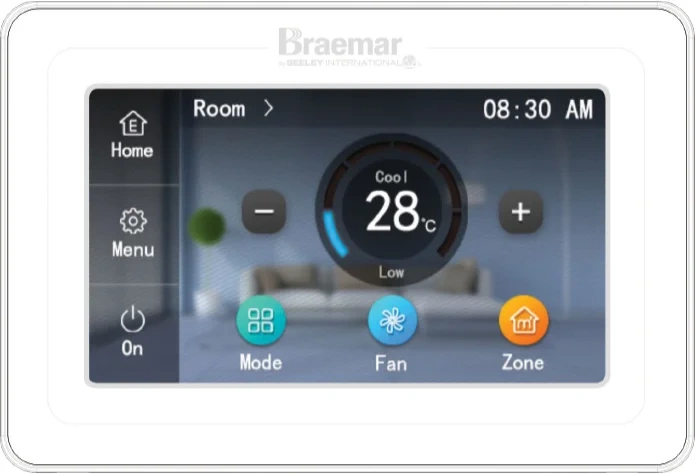
Every degree above around 18–20°C can add a noticeable amount to your running costs over a full winter. A few adjustments that make a real difference without sacrificing comfort:
- Use a programmable thermostat or timer so the heater isn’t running full-bore while everyone’s asleep or out at work.
- Zone your heating if you have a ducted system — there’s little point heating bedrooms during the day or a home office overnight.
- Close doors between heated and unheated areas so the system isn’t working to warm space you’re not using.
Seal up the easy places heat escapes
Heating costs aren’t only about the heater itself — a huge amount comes down to how much of that warm air actually stays inside. Gaps under external doors, unsealed window frames, and old exhaust fans without proper seals are common culprits in established Melbourne homes. Door snakes, weather seals, and simple draft stoppers are inexpensive and often pay for themselves within a single winter.
Know when a repair isn’t worth it anymore
Older gas heaters — particularly ducted systems over 15–20 years old — become steadily less efficient as components wear, even with regular servicing. If you’re facing a significant repair bill on an ageing unit, it’s worth asking your plumber for an honest comparison between the cost of that repair versus the efficiency gains (and lower running costs) of a newer system. This is exactly the kind of decision our heating services team can walk you through with real numbers, not just a sales pitch.
Consider what’s replacing gas long-term
With Victoria’s gas phase-out rules progressively affecting new hot water and heating installations, more homeowners are weighing up electric and heat pump options when their gas system is due for replacement anyway. It doesn’t need to be an urgent decision for most existing gas heaters, but it’s worth factoring into the timing if yours is getting close to the end of its life. Our gas fitting services team can advise on what’s compliant and cost-effective for your specific setup.
Frequently asked questions
Is it worth replacing an old gas heater just to save on running costs? It depends on the age and condition of the unit. As a rough guide, if a ducted system is over 15 years old and needs a repair costing more than a few hundred dollars, it’s usually worth getting a comparison between that repair cost and the ongoing efficiency savings of a newer system, rather than assuming the cheapest fix is the best value long-term.
How much does a heater service actually save? It varies by system and age, but a poorly maintained heater can use noticeably more gas to produce the same warmth as a properly serviced one. Beyond the cost side, a service also picks up safety issues — like heat exchanger cracks — well before they become dangerous.
Should I turn my heater off overnight to save money? For most homes, a programmed drop in temperature overnight (rather than switching off completely) tends to be more comfortable and just as cost-effective, since re-heating a fully cold house from scratch each morning can use more energy than maintaining a lower baseline temperature overnight.
Are heat pumps actually cheaper to run than gas in Melbourne? This depends on your electricity plan, the size of your home, and the system chosen, so it’s worth getting a proper comparison for your specific property rather than a generic answer. Our team can talk through the real numbers for your home if you’re weighing this up as part of a future replacement.
A quick checklist before winter really sets in
- Book a heater service if it’s been 2+ years
- Check door and window seals around main living areas
- Set a reasonable thermostat schedule rather than leaving it running constantly
- Zone unused rooms out of ducted heating where possible
- Get an honest repair-vs-replace opinion if your system is ageing and costly to maintain
Ready to get your heater sorted before winter really bites?
Harley Plumbing has been servicing and repairing Melbourne heating systems for over 30 years, including regular Brivis servicing and Braemar Dominator installations. If you’d like a service booked in, or advice on whether it’s time to consider replacing an ageing system, get in touch with our team or call 03 9432 4121 — we’re open 24/7.