
Gas Phase-Out Timeline: Key Dates for Victoria
The regulations around the Victoria gas ban roll out in three distinct phases. Each targets different aspects of gas use throughout the state.
January 2024: Planning permit requirements began
Amendment VC250 was gazetted on 1 January 2024, marking the first step in phasing out gas connections in Victoria. This planning scheme amendment introduced a new provision at Clause 53.03 that prohibits new gas connections for developments requiring planning permits.
The restriction applies to planning permit applications lodged on or after 1 January 2024 for new dwellings, apartment developments, or residential subdivisions. Planning a knock-down rebuild of an existing residential dwelling serviced by gas? The connection cannot be reinstated once demolished.
Subdivisions approved from this date carry mandatory conditions. These prohibit future dwellings on those lots from connecting to reticulated gas, even if those dwellings wouldn’t otherwise need a permit. But the restriction doesn’t apply to the majority of single dwelling homes that can be constructed with only a building permit.
January 2027: All new builds must be all-electric
From 1 January 2027, all new residential buildings must be built as all-electric, whatever their planning permit status. This closes previous loopholes in the legislation. Building surveyors will be prohibited from issuing a building permit for any new residential building that is not all-electric.
Builders must design homes with electric appliances only. No new gas connections will be permitted for these properties.
March 2027: Gas hot water replacement rules
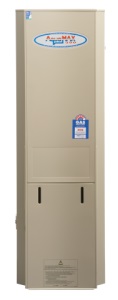
The Victorian government gas heater replacement requirements take effect on 1 March 2027. A gas hot water system that reaches end-of-life and cannot be repaired economically must be replaced with an electric alternative, such as a heat pump hot water system.
You can still repair an existing gas hot water unit if parts are available. The obligation to switch to electric only applies at the time the system is being replaced at end-of-life.
What happens to commercial buildings
All new commercial buildings must be constructed as all-electric from the beginning of 2027, including commercial kitchens. Exemptions remain for industrial, manufacturing, and agricultural buildings. Existing commercial buildings are not required to electrify.
What’s Being Phased Out and What’s Not
Understanding what’s changing versus what remains the same can clear up confusion around the time gas will be phased out in Victoria. The regulations target specific appliances and leave others untouched.
Gas hot water systems replacement requirements
At the time a gas hot water system reaches end-of-life, it must be replaced with an efficient electric alternative like a heat pump starting 1 March 2027. You can still repair your existing gas hot water system if it breaks down. The rule applies only at a system’s end-of-life and not for repairs.
O wner-occupiers have no requirement to upgrade gas space heating or stovetop gas cooking to electric. The restriction covers end-of-life replacement only and not maintenance or repair work.
Victorian government gas heater replacement rules for landlords
Rental properties face stricter requirements under the Victoria gas ban. A hot water or heating appliance that breaks and cannot be repaired must be replaced with a heat pump water heater or an efficient reverse-cycle air conditioner in the main living area starting 1 March 2027.
Replacing end-of-life gas heaters with reverse-cycle units will save rental households up to $328.73 each year. Gas hot water system replacements with heat pumps save up to $336.38 yearly. And if there is solar, total energy savings can reach $1800 per year.
Gas cooking: What homeowners need to know

Gas cooking in existing homes sees no changes. You can continue cooking with your existing gas connection inside the home or piped to the outdoor barbecue]. Rental providers have no requirement to upgrade stovetop gas cooking to electric.
Gas connections Victoria: New home restrictions
The gas connection prohibition applies only to reticulated natural gas connections. It does not apply to bottled or reticulated Liquified Petroleum Gas. New homes that don’t require a planning permit, residences with existing planning permits approved before 1 January 2024, homes with existing gas connections and renovations to existing homes remain unaffected.
How This Affects Existing Homes vs New Builds
The difference between new and existing properties determines your obligations under the Victoria gas ban. The building permit issue date, not the contract date, is the critical factor for new homes.
Requirements for new homes from 2027
Building surveyors cannot issue a building permit for any new residential home that connects to mains gas after 1 January 2027. Your home must be designed without a gas connection to receive approval. You should expect an all-electric home if your building permit is issued on or after this date.
Limited lots may still be constructed before the phase-out takes full effect. Buyers need to assess whether their land settlement, design phase and building permit timing will fall before the cut-off date.
What existing homeowners must do
Existing homes are not required to remove gas appliances. A gas hot water appliance that breaks and cannot be repaired must be replaced with an electric alternative after 1 March 2027. No requirement exists to upgrade gas space heating or stovetop gas cooking to electric.
Exemptions are available where replacing a gas hot water system with an electric appliance is not feasible.
Rental property requirements
Rental homes face additional standards after 1 March 2027. Replacement with heat pump water heaters or efficient reverse-cycle air conditioners becomes mandatory when hot water or heating appliances reach end-of-life. Ceiling spaces without insulation must be upgraded to R5.0 rating at the start of new leases and installed by an accredited professional. Energy-efficient cooling must be installed in living areas.
Draughtproofing must be installed on external doors, windows and wall vents at the start of each new lease after 1 July 2027.
Can you still repair or reinstall gas appliances?
Gas appliances can still be repaired if they break down and be reinstalled during renovations. New and existing dwellings can still use bottled or reticulated Liquified Petroleum Gas].
Making the Switch: Costs, Savings and Incentives
Switching from gas to electric delivers substantial financial benefits for Melbourne homeowners under the Victoria gas ban.
How much Victorian households can save each year
Existing Victorian homes save around $1,900 per year by going all-electric without solar panels. Savings jump to about $2230 each year with an existing solar PV system. New all-electric homes save up to $1920 each year with solar or around $990 without it, compared with dual-fuel properties.
Available rebates and incentives

The Victorian Energy Upgrades program provides upfront discounts to offset transition costs. You can access up to $560 to replace a gas hot water heater with a heat pump. Rebates reach up to $1610 for non-ducted reverse cycle air conditioners and up to $5530 for ducted systems. Induction cooktop replacements qualify for up to $140.
Does split system use gas? Understanding electric alternatives
Split systems don’t use gas. They’re electric reverse-cycle air conditioners that both cool in summer and heat in winter. This single appliance replaces gas heating and adds cooling capacity.
Step-by-step transition plan for gas heating in homes
Start by listing all gas appliances in your home. Prioritise replacing the most energy-intensive items first: heating and hot water. Check available VEU rebates before purchasing. Contact qualified tradespeople to install electric alternatives. Arrange gas disconnection once all appliances are replaced.
Conclusion
The Victoria gas ban represents a radical alteration, though the timeline gives you ample notice to prepare. Existing homeowners face minimal disruption. Only hot water replacement requirements apply from March 2027. New builds must go all-electric from January 2027. Households can save up to $2,900 by making the switch, so explore your electrification options now and take advantage of available rebates before the deadlines arrive.