
Melbourne Homes Built Before 1980: 7 Plumbing Problems That Could Cost You Thousands
Melbourne’s older homes have plenty of character. Whether it’s a weatherboard in Reservoir, a brick veneer in Greensborough, or a family home in Eltham or Heidelberg, properties built before 1980 often offer solid construction and timeless appeal.
Unfortunately, many of these homes also contain ageing plumbing systems that are now reaching the end of their lifespan.
What was considered reliable plumbing 40, 50 or even 70 years ago can become a source of costly leaks, blocked drains, water damage and expensive emergency repairs today.
If you own an older property, understanding the warning signs can help you avoid major plumbing bills and protect your home’s value.
Why Older Melbourne Homes Experience More Plumbing Problems
Many homes built before 1980 were constructed using materials that are no longer commonly used today, including galvanised steel water pipes, clay sewer lines and older hot water systems.
Over decades of use, these materials naturally deteriorate. Melbourne’s reactive soils, established tree-lined streets and seasonal weather conditions can accelerate the process, creating issues that often remain hidden until significant damage occurs.
The good news is that many of these problems can be identified early through regular inspections and preventative maintenance.
Modern plumbing installations must comply with standards established by the Australian Building Codes Board (ABCB), which oversees Australia’s National Construction Code and Plumbing Code of Australia.
1. Galvanised Steel Pipes Reaching the End of Their Lifespan
If your home was built before the 1960s, there’s a good chance it still contains galvanised steel pipework.
These pipes were coated with zinc to help prevent corrosion, but after decades underground, the protective coating wears away. Rust then begins forming inside the pipe, gradually restricting water flow and weakening the plumbing system.
Common Signs of Corroded Galvanised Pipes
- Brown or discoloured water when taps are first turned on
- Reduced water pressure throughout the home
- Metallic taste in drinking water
- Frequent plumbing leaks
- Visible corrosion on exposed pipework
Many homeowners are surprised to discover that while their pipes appear fine on the outside, significant corrosion can be occurring inside.
If your property still has galvanised pipework, a professional plumbing inspection can help you feel confident choosing the most cost-effective repair or replacement options. For Victorian homeowners, plumbing work should always be completed by appropriately licensed practitioners in accordance with requirements administered by the Building and Plumbing Commission Victoria.
2. Tree Roots Invading Clay Sewer Pipes
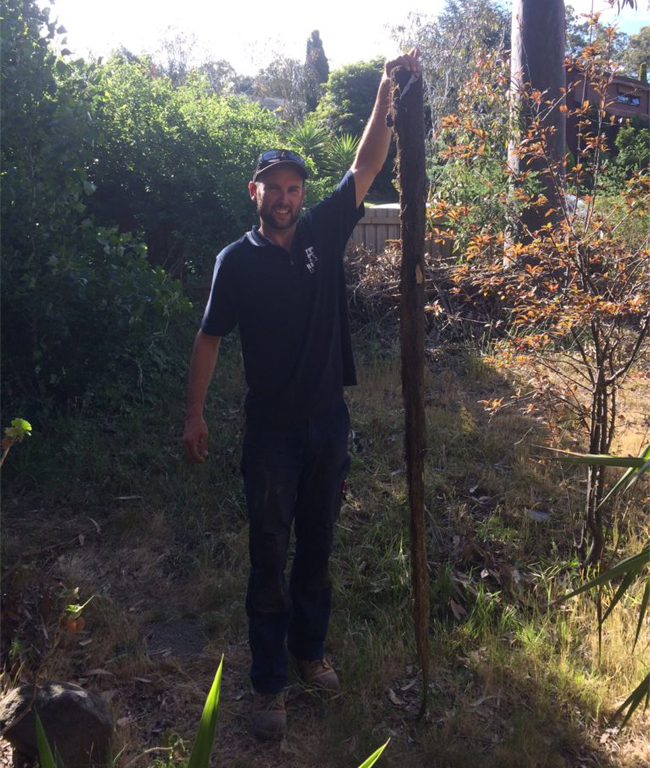
One of the most common plumbing issues in Melbourne’s established suburbs is tree root intrusion.
Older homes were often fitted with clay or terracotta sewer pipes. These pipes are made from short sections joined together, creating multiple connection points where roots can enter.
Once roots find a water source, they continue growing inside the pipe, trapping debris and eventually causing serious blockages.
Warning Signs of Tree Root Damage
- Slow-draining sinks and showers
- Gurgling drains
- Sewage odours around the property
- Overflowing drains
- Recurring blocked toilets
Properties throughout Greensborough, Eltham, Diamond Creek and Heidelberg frequently experience root-related drainage issues due to mature trees and ageing pipework.
A CCTV drain inspection can help homeowners feel empowered by quickly identifying root intrusion before it causes major blockages or damage.
3. Hidden Water Leaks Increasing Your Bills
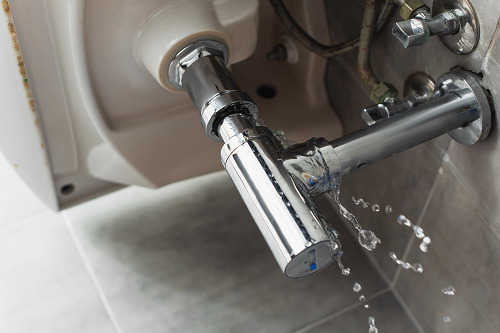
Not all plumbing leaks are obvious.
Many leaks occur beneath concrete slabs, behind walls or underground, causing damage for months before homeowners realise there is a problem.
Even a small leak can waste thousands of litres of water every year.
Signs You May Have a Hidden Leak
- Unexplained increases in your water bill
- Damp patches on walls or ceilings
- Musty smells
- Bubbling paint
- Warped flooring
- Areas of unusually green grass in the yard
Modern leak detection equipment allows plumbers to pinpoint the source without unnecessary digging or property damage.
4. Low Water Pressure Throughout the Home
Low water pressure is one of the most common complaints from owners of older Melbourne homes.
While it may seem like a minor inconvenience, low pressure often indicates underlying plumbing issues.
Common causes include:
- Internal pipe corrosion
- Hidden leaks
- Partially blocked water lines
- Failing pressure-reducing valves
- Ageing pipework with restricted flow
If multiple taps and showers are affected, the problem is likely occurring within the home’s plumbing system rather than the water supply itself.
A professional assessment can identify whether pipe replacement or targeted repairs are required.
5. Ageing Hot Water Systems Nearing Failure
Many homes built before 1980 have had multiple hot water systems installed over the years, but some units are still operating well beyond their recommended lifespan.
Traditional storage hot water systems generally last between 10 and 15 years. Older units often become inefficient, unreliable and expensive to operate.
Signs Your Hot Water System Needs Attention
- Inconsistent hot water temperatures
- Rust-coloured hot water
- Strange noises from the tank
- Water is pooling around the unit
- Rising energy bills
- Frequent repairs
Replacing an ageing system before it fails can help avoid emergency breakdowns and improve household energy efficiency.
6. Failing Fixtures and Water-Wasting Leaks
Older taps, toilets and valves are often overlooked until they begin causing noticeable problems.
A dripping tap may seem harmless, but even a small leak can waste significant amounts of water over time. Likewise, a leaking toilet cistern can quietly increase water consumption and utility costs.
Common Fixture Problems in Older Homes
- Dripping taps
- Running toilet cisterns
- Worn tap washers
- Seized isolation valves
- Leaking shower fittings
Many older isolation valves have not been used for decades and can fail when needed most during a plumbing emergency.
Replacing ageing fixtures often improves reliability while reducing water waste.
7. Damaged Drainage Systems and Pipe Movement

Melbourne’s reactive soil conditions can cause underground drainage pipes to shift over time.
As the ground expands and contracts, older clay pipes may crack, separate or develop low points known as pipe bellies.
These issues allow debris to collect inside the drain, creating recurring blockages and drainage problems.
Symptoms of Drainage System Failure
- Frequent blocked drains
- Slow drainage throughout the property
- Gurgling sounds from sinks and toilets
- Sewage smells
- Water pooling around external drains
In many cases, modern pipe relining technology can repair damaged pipes without the need for extensive excavation.
Should You Repair or Replace Old Plumbing?
The answer depends on the condition of your plumbing system.
Targeted repairs are often suitable when issues are isolated and the remaining pipework is in good condition.
However, if your home has widespread corrosion, recurring leaks, ongoing drainage problems or ageing infrastructure throughout the property, replacement may provide a more cost-effective long-term solution.
Getting a professional plumbing inspection with CCTV drain camera technology can give you a clear picture of your system’s condition, helping you make informed decisions and potentially saving you from expensive repairs later.
When to Book a Plumbing Inspection
If your Melbourne home was built before 1980, it’s worth arranging a professional inspection if you notice:
- Discoloured water
- Low water pressure
- Frequent blocked drains
- Rising water bills
- Recurring leaks
- Hot water system issues
- Sewer odours
Identifying these problems early can prevent expensive water damage, emergency repairs and unexpected plumbing failures.
Need an Inspection for Your Older Melbourne Home?

At Harley Plumbing, we help homeowners throughout Melbourne’s northern and eastern suburbs identify and resolve plumbing issues before they become major problems.
Whether you’re dealing with ageing galvanised pipes, blocked drains, tree root intrusion, hot water system concerns or hidden leaks, our experienced team can provide practical advice and long-term solutions.
Contact Harley Plumbing today to book a professional plumbing inspection and ensure your home’s plumbing system remains safe, efficient and reliable for years to come.